


Labor Protection Exhibition | Key Selection Points for Personal Protective Equipment During Flood Season Mountain Patrol Operations
Labor Protection Exhibition has learned that protective equipment for mountain field patrols during flood season has become a focal point of industry attention. Each year, concentrated rainfall during flood season triggers a high-incidence period for geological hazards such as landslides and debris flows. Patrol personnel must venture into complex and rugged wilderness areas to conduct inspections, facing multiple safety risks throughout their operations.
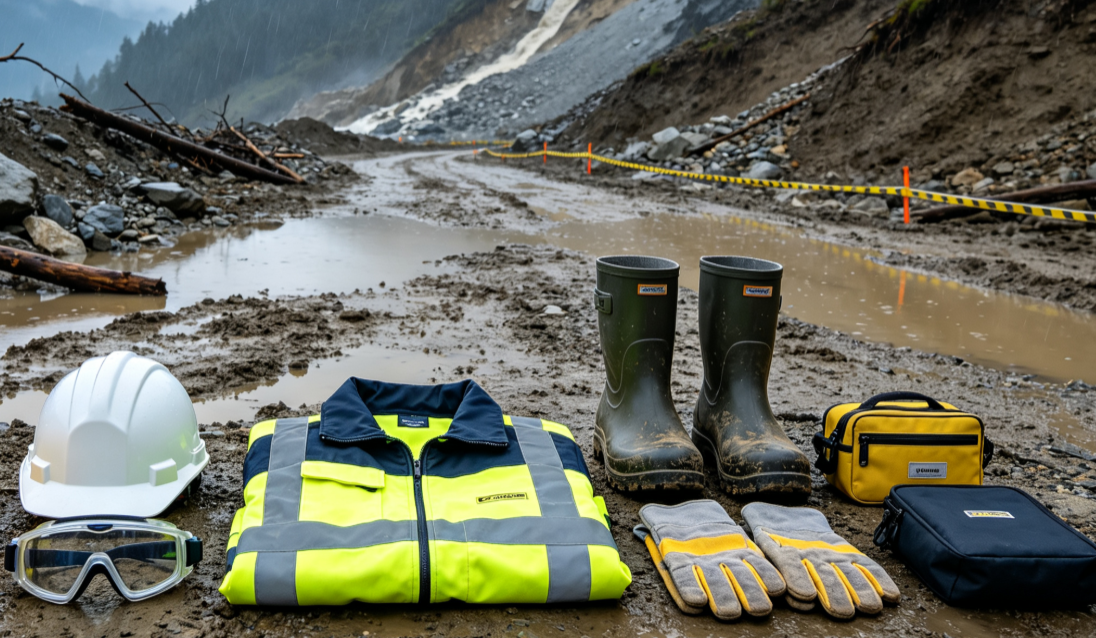
Geological hazard areas feature fragmented terrain, loose soil, and dense vegetation. After rainfall, ground conditions become muddy and slippery. During patrols, personnel face risks of slipping and falling, tumbling down steep slopes, and being injured by rolling rocks or broken branches. Wading through water also increases the probability of accidents. For safety management personnel, the personal safety of frontline patrol staff is a prerequisite for conducting disaster prevention work. When planning on-site safety control measures, the proper selection and standardized wearing of personal protective equipment must be placed in a critical position.
Head and face protection form the first line of safety defense during wilderness inspections. Loose rocks and dry branches frequently fall from above hazard points. Patrol personnel must wear safety helmets with excellent impact resistance throughout their operations, paired with tightly sealed protective eyewear to prevent rainwater mixed with sediment from splashing into the eyes and causing vision obstruction that could trigger safety accidents.
Foot and torso protection are equally indispensable. Wilderness paths are muddy and slippery, making slip-resistant, waterproof, and puncture-resistant safety boots essential equipment that effectively reduces incidents of slipping and foot injuries from sharp hard objects. Lightweight and abrasion-resistant emergency protective suits can shield against branch scratches while providing rain protection, keeping patrol personnel dry during rainy weather operations.
Beyond daily-wear protective equipment, supplementary emergency supplies are also a vital component of on-site safety management. Every patrol team should carry an emergency kit containing complete first aid and bandaging supplies, high-intensity lighting equipment, and basic survival tools. If sudden emergencies occur along the route and communication signals are lost, personnel can rely on these supplies for self-rescue and mutual assistance.
Disaster prevention and mitigation is a priority task that permits no complacency, and protective safeguards for frontline patrol personnel are of paramount importance. By accurately identifying the various risks present in wilderness operations and providing staff with properly matched personal protective equipment, enterprises can significantly enhance the safety coefficient and operational efficiency of hazard inspection work, firmly maintaining the safety defense line during flood season.
This article references publicly available notices from the Ministry of Emergency Management and serves solely to provide educational knowledge on protective equipment selection for flood season geological patrol scenarios. Protective products suitable for this scenario are primarily categorized into five types: head protection, eye and face protection, torso protection, emergency protective suits, and foot protection. When making actual procurement and selection decisions, enterprises must comprehensively consider on-site risk types, equipment wearing duration, and internal safety management requirements.
Source:https://www.aegle.com.cn/news/news0141/

