


Labor Protection Exhibition | What Should Happen Immediately After an Accident on Site?
Even in well-managed workplaces with strong safety systems, accidents can still occur. What often makes the greatest difference is the response in the first few minutes after the incident. A fast, organized and professional reaction can reduce injuries, prevent secondary hazards, protect employees and support compliance obligations. These principles remain highly relevant across industrial sectors and are frequently emphasized at events such as the Labor Protection Exhibition, where emergency response and workplace prevention are major themes.
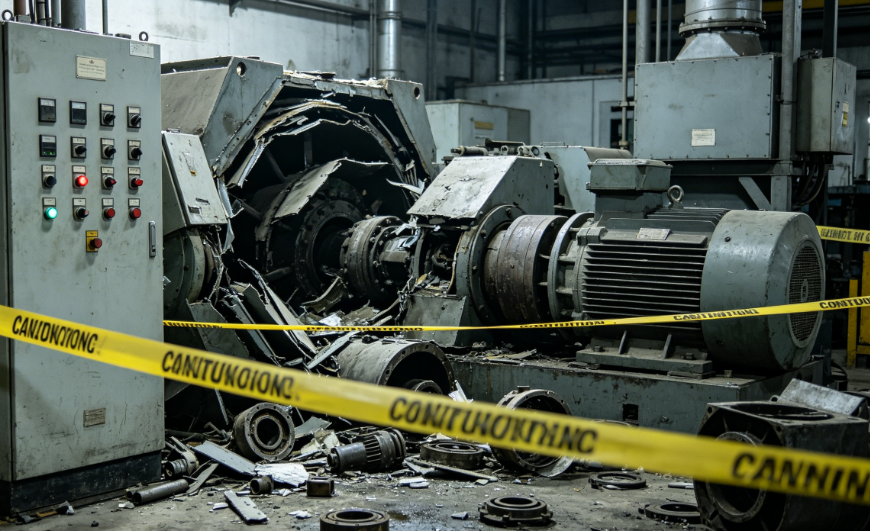
Knowing exactly what to do after an on-site accident helps supervisors, safety managers and employees remain calm under pressure and act effectively when every second matters.
Secure the Area and Stop Work Immediately
The first priority after any workplace accident is to make the area safe. All activity in the affected zone should stop at once, and any machinery or equipment connected to the incident should be shut down if it presents continuing danger.
Potential hazards such as exposed electricity, unstable materials, chemical leaks, moving equipment or falling objects must be controlled before additional personnel enter the scene. Isolating the area protects other workers and allows responders to focus fully on the injured person without creating further risk.
Stopping operations quickly can also prevent a minor incident from becoming a larger emergency.
Provide Medical Assistance Without Delay
Once the scene is safe, immediate attention should shift to the injured worker. Trained first-aid personnel should respond as quickly as possible. If injuries appear serious, emergency medical services should be contacted immediately.
Unless the person is in immediate danger, unnecessary movement should be avoided, especially where head, neck, spinal or fracture injuries may be involved.
Even injuries that appear minor should be taken seriously. Some conditions, including strains, concussions, chemical exposure or internal trauma, may worsen over time or show delayed symptoms.
Report the Incident Promptly
After emergency needs are addressed, the accident should be reported according to company procedures. Supervisors, site management and relevant safety personnel need timely notice so that formal response and documentation processes can begin.
Quick reporting improves accuracy because witnesses remember details more clearly soon after the event. Delays can result in missing information, confusion and potential compliance issues.
Preserve the Scene
Once medical care has been provided and the area is stable, the accident scene should be preserved as much as possible. Tools, equipment, materials and controls involved in the incident should remain untouched unless they must be moved for safety reasons.
Photographs, notes, environmental conditions and witness names collected early can be extremely valuable later. Preserving the scene helps investigators determine what truly happened rather than relying on assumptions or incomplete recollections.
Document the Event Carefully
Accurate documentation is a critical part of post-incident management. Key facts should include:
· The task being performed at the time
· Weather or site conditions if relevant
· Equipment involved
· Personnel present
· Immediate actions taken after the incident
· Nature of injuries or damage
Clear records support insurance claims, internal reviews, regulatory reporting and long-term trend analysis.
Begin the Investigation Quickly
An accident investigation should begin as soon as practical while evidence is fresh. The purpose is not to assign blame, but to identify root causes and contributing factors.
Many incidents involve more than one issue, such as:
· Inadequate training
· Unclear procedures
· Equipment malfunction
· Poor housekeeping
· Unsafe conditions
· Human fatigue or distraction
Understanding these causes allows organizations to correct weaknesses rather than simply reacting to outcomes.
Communicate With Employees
Clear communication after an incident helps maintain trust and reinforces safety culture. Workers should be informed about relevant safety updates, temporary restrictions or corrective actions while respecting the privacy of those involved.
Transparent communication also reminds teams of the importance of reporting hazards, near misses and unsafe conditions early.
Implement Corrective and Preventive Actions
The final step after any workplace accident is improvement. Based on investigation findings, organizations may need to revise procedures, upgrade equipment, improve supervision or provide additional training.
Hazard controls should also be reviewed to ensure they remain effective. When handled properly, an accident can become an opportunity to strengthen workplace systems and prevent recurrence.
Preparedness Makes the Difference
Accidents are not always predictable, but preparedness is essential. Knowing what should happen immediately after an on-site incident can reduce harm, limit disruption and improve long-term workplace safety performance.
As companies continue to prioritize prevention and emergency readiness, these practical response principles remain central topics at professional forums such as the Labor Protection Exhibition, where safer worksites and stronger safety culture remain shared goals.
Source: https://store.oshacademy.com/blogs/news/what-should-happen-immediately-after-an-accident-on-site

