


Labor protection equipment exhibition |No Second Chances in Workplace Safety Awareness Continues to Grow
In industrial and construction environments, personal protective equipment is a constant presence, from safety helmets and protective footwear to masks, goggles, and specialized clothing. Despite its importance, improper or inconsistent use remains a common issue in daily operations. As safety awareness continues to evolve across industries, more attention is being placed on reinforcing correct protective habits and strengthening frontline safety culture. This shift is also reflected in broader industry discussions and platforms such as the Labor protection equipment exhibition.
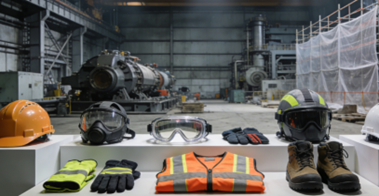
In many workplaces, protective gear is sometimes viewed as inconvenient or uncomfortable, leading to incomplete or inconsistent use. However, real-world incidents continue to highlight the critical role of proper protection. Even a brief moment of neglect can lead to serious consequences, especially in environments where falling objects, airborne particles, or mechanical hazards are present. These situations demonstrate that safety equipment is not an optional accessory but an essential layer of defense designed to reduce risk and protect long-term health.
Across different job scenarios, various types of protective equipment serve distinct functions. Head protection equipment, such as helmets, acts as a primary barrier against impacts and falling objects, helping safeguard one of the most vulnerable parts of the body. Respiratory protection devices filter dust, fumes, and harmful particles, playing a key role in maintaining lung health in environments where air quality may be compromised. Eye and face protection equipment shields against debris, splashes, and intense light exposure, ensuring that vision and facial safety are preserved during high-risk tasks.
In addition, hearing protection tools help reduce exposure to high levels of noise, which can otherwise affect auditory function over time. Hand protection, including specialized gloves, is designed to prevent injuries caused by sharp objects, chemicals, or extreme temperatures while still allowing sufficient flexibility for precise work. Foot protection, such as reinforced safety shoes, provides resistance against heavy impacts, punctures, and slipping hazards, supporting stability and mobility in complex environments.
Full-body and torso protection further enhance safety by isolating workers from heat, flames, chemicals, or static electricity. High-visibility clothing also improves recognition in busy or low-visibility environments, contributing to overall site coordination. For tasks performed at height, fall protection systems, including safety harnesses and lifelines, offer critical support by reducing the risk associated with elevated work. Meanwhile, skin protection products add an additional layer of defense by minimizing exposure to oils, chemicals, and environmental factors.
While the availability of equipment is essential, its effectiveness depends entirely on correct usage. Proper fitting and secure positioning play a decisive role in ensuring that protective functions are fully realized. For example, hearing protection devices require tight sealing to maintain their noise reduction capability, while respiratory masks must fit closely to prevent unfiltered air from entering. Similarly, helmets must be worn and secured correctly to remain effective during impact situations. These details, though often overlooked, are fundamental to achieving real protection.
In practice, building a strong safety culture requires consistent awareness and mutual responsibility. Routine self-checks before starting work, along with peer reminders among team members, can help reinforce proper habits. Maintaining attention to protective measures, even during short or routine tasks, contributes to a safer working environment overall. Over time, these small but consistent actions form the foundation of effective risk prevention.
As industries continue to prioritize safety and operational standards, the role of personal protective equipment is becoming increasingly integrated into daily workflows. Strengthening awareness, improving compliance, and promoting correct usage are essential steps toward building safer workplaces. By treating protection as a continuous habit rather than a temporary measure, organizations and individuals alike can contribute to more stable and secure working conditions.
Source: https://cloud.kepuchina.cn/newSearch/imgText?id=7435446672066650112

