


Labor protection equipment exhibition | Solving Eye Protection Pain Points in Manufacturing
Labor protection equipment exhibition learned that industrial eye protection is entering a new stage of quality upgrade. Traditional safety glasses struggle to meet high-intensity operational demands. Under conditions of intense light welding and flying metal debris, ordinary lenses experience scratch and damage rates exceeding 67% within three months, with replacement frequency rising by 42%.
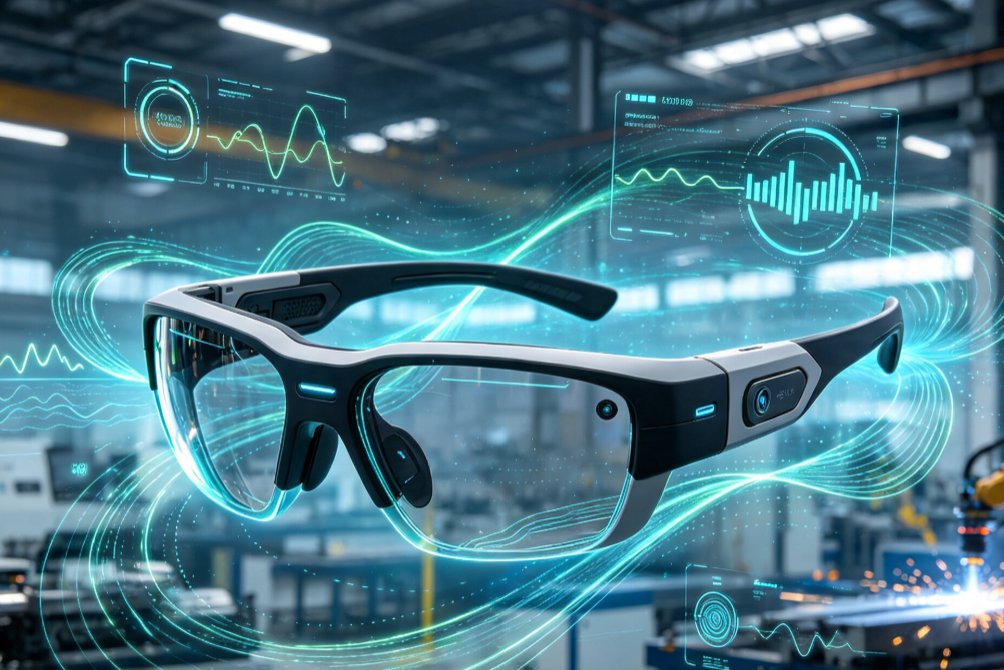
Addressing industry pain points, a domestic professional protection R&D team has deeply cultivated eye protection technology and actively participated in the revision of national safety eyewear standards. Abandoning the simple OEM model, the team relies on a dedicated optical laboratory to achieve full-chain independent R&D upgrades in materials, processes, and structures.
The newly iterated second-generation polycarbonate composite lenses launched in 2025 deliver significantly enhanced performance. At equivalent thickness, they can withstand steel ball impacts at 190 m/s without penetration, far exceeding the national standard requirement of 120 m/s. Paired with nano-hydrophobic anti-fog coating, light transmittance remains above 92% after 300 hours of continuous steam testing, combining three core advantages: strong protection, high-definition vision, and long-lasting durability.
Tailored to different industrial scenarios, multiple highly acclaimed safety eyewear models form a complete working-condition solution. The industrial-grade impact-resistant model adopts integrated injection-molded hot-bending technology, eliminating the risk of buckle loosening. The 45 mm widened side shields provide 160° wide-range protection, effectively resisting high-speed metal particle impacts. It is suitable for high-risk scenarios such as stamping, casting, and machining, with stability and protection far surpassing traditional models.
The lightweight model designed for precision assembly and long-duration duty positions weighs only 68 grams and features a three-stage adjustable nose bridge to fit Asian facial profiles. The lenses undergo optical edge treatment to eliminate visual distortion and blurring. Combined with a replaceable soft rubber sealing structure, it effectively alleviates facial and ear pressure from long-term wear, balancing operational precision and wearing comfort.
The multi-scenario modular safety eyewear adapts to composite operational needs. Relying on a magnetic quick-swap structure, it can switch among four lens types—impact-resistant, arc welding protection, UV protection, and chemical splash protection—in just two seconds, with one pair of glasses serving multiple process operations. It also features an intelligent data interface that can connect to workshop inspection terminals, recording wear duration and ambient light data in real time, supporting standardized and intelligent workshop protection management.
Enterprise protection material selection directly affects production efficiency and operational safety. Many enterprises opt for low-cost lenses to reduce expenses. While short-term procurement costs decrease, these lenses are prone to fogging and scratching, easily leading to operational errors.
One enterprise suffered 170,000 yuan in rework losses in a single month due to substandard protective lenses. To avoid such safety and production hazards, the industry has introduced real-scenario adaptation services, bringing multiple sets of human-parameter sample lenses into production lines for on-site testing. Combined with real working conditions, this optimizes the wearing experience, significantly improving equipment fit and reducing operational risks from the source.
Today, safety eyewear is no longer merely a common consumable but a critical safety device in intelligent manufacturing scenarios. As high-end processes such as laser cutting and new energy processing continue to proliferate, workshop operational risks become increasingly complex and diverse, and the positioning of safety eyewear is consequently upgraded.
It is no longer a single physical protection barrier but an important safety carrier for human-machine collaboration. The new generation of protective products reserves intelligent sensing ports, enabling fatigue state identification of personnel through lens micro-vibration data, truly achieving the upgrade from passive protection to active safety early warning.
Source: https://shanghai01087678.11467.com/news/17753086.asp

