


Labor protection equipment exhibition | Popularizing PPE Knowledge to Build a Solid Foundation for Safe Hazardous Operations
Labor protection equipment exhibition learned that the core purpose of conducting hazardous goods and chemical hazard classification and identification is to implement on-site protection, avoid safety accidents, and safeguard personnel life, health, and the ecological environment.
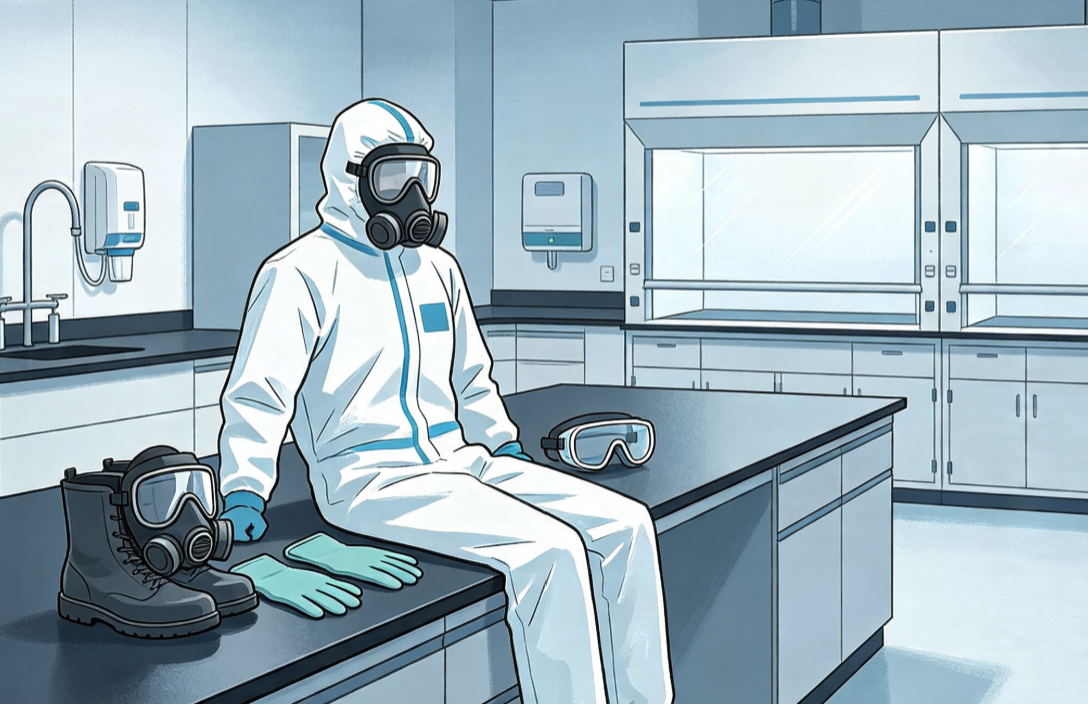
Personnel in positions involving hazardous goods production, warehousing, port inspection, loading and unloading, transportation, and laboratory testing are in long-term contact with various hazardous media. Personal protective equipment (PPE) serves as the core barrier for workers to resist injuries.
Personal protective equipment is the collective term for various protective items that practitioners use to resist physical, chemical, and biological hazards. General specifications must be followed before use. Select products that comply with national and industry standards; conduct advance assessments of on-site hazards to precisely match protective equipment, avoiding both insufficient and excessive protection. Consider both protective performance and wearing comfort, ensuring the size fits the body; when multiple types of protective gear are worn simultaneously, confirm equipment compatibility and non-conflicting functions. Inspect before each use, and directly discard and replace damaged or expired products; master wearing methods proficiently before starting work. Reusable protective gear should be cleaned and maintained promptly after use. It is particularly important to note that failed protective equipment is more dangerous than not wearing any at all, as it gives workers a false sense of security while exposing them to risks.
Different positions require matching corresponding protective equipment. Safety helmets are used to prevent falling objects and head impacts; specialized models can be selected for special working conditions such as anti-static, insulation, and flame retardancy. Personnel with long hair must properly tuck in their hair when wearing helmets; unauthorized drilling, painting, or adding accessories is prohibited. Safety helmets that have sustained an impact must be replaced even if their appearance remains intact; plastic safety helmets have a service life not exceeding two and a half years. Safety goggles and face shields protect against chemical splashes; earplugs and earmuffs reduce noise and prevent hearing damage; masks and gas masks block dust and toxic gases, protecting the respiratory tract.
Body protection is divided into basic work clothes and chemical protective suits. Long-sleeved lab coats only provide light protection; chemical protective suits are suitable for operations involving acids, alkalis, and organic solvents. White disposable models are suitable for dust and small liquid splash scenarios, while yellow models are for limited-use applications and can handle light, high-frequency hazardous chemical operations. Protective gloves must be selected based on the material of chemicals contacted; personnel with rubber allergies who experience skin itching or swelling must immediately remove and clean the gloves, and seek medical attention promptly if discomfort persists.
Safety shoes are the core of foot protection; appropriate sizes must be selected and laces must be tied tightly. During operations, pant legs should be tucked in to avoid hanging outside the shoes. Chemical-resistant shoes and boots should be kept away from high temperatures and sharp objects; after contact with chemicals, they should be promptly rinsed and dried to delay material aging. Safety harnesses are essential fall protection equipment for work at heights of 2 meters and above; unauthorized lengthening of ropes is strictly prohibited. Ropes exceeding 3 meters in length must be paired with shock absorbers, and original factory accessories must not be arbitrarily removed.
Properly wearing every piece of protective equipment is taking responsibility for one’s own safety. Frontline practitioners should standardize operations starting from small details, routinely implement protective requirements, and uphold the bottom line of safe production.
Source: https://mp.weixin.qq.com/s/g-Af8xOCebOd_rLwNxeOLQ?from=industrynews&color_scheme=light

