


Labor Protection Exhibition | Comfort Design Innovation Reshapes the Direction of Reflective Vest Development
Labor Protection Exhibition recognizes that during midsummer outdoor construction, heavy reflective vests trap heat and cling to the body, making workers reluctant to wear them—a long-standing pain point in the labor protection industry.
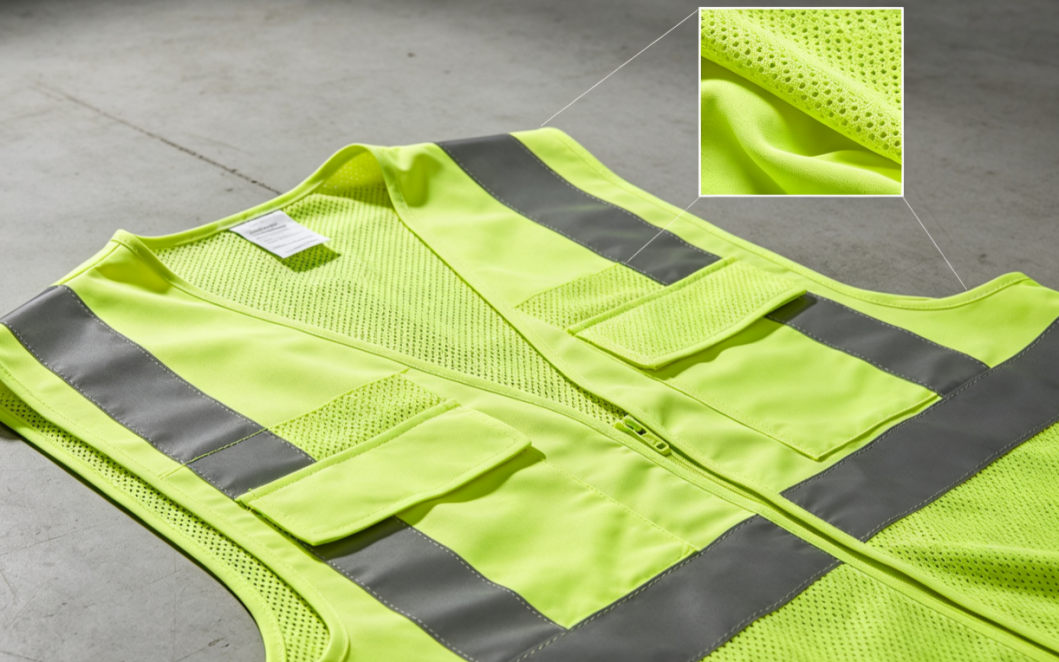
In the past, the industry relied on mandatory regulations to enforce the wearing of protective equipment, but this passive model failed to achieve effective safety management. In 2026, the labor protection industry is undergoing a shift in mindset, with the development focus moving from “making me wear” to “wanting to wear.” Product design centered on human comfort is reshaping the direction of reflective protective apparel.
The entire labor protection industry is transitioning from passive protection to active prevention, with national protective equipment standards being simultaneously upgraded and implemented. However, even as standards continue to improve, the issue of low worker willingness to wear protective gear remains difficult to resolve. Industry research shows that only 40% of workers wear full protective equipment throughout their shifts. Twenty-six percent of workers prefer privately purchased clothing over company-issued reflective apparel, and nearly half of respondents stated that they would voluntarily and consistently wear vests if comfort levels were improved. This has made human-centered design a core development direction for the industry in 2026.
To eliminate worker resistance, reflective vest products must be optimized in every aspect. Today, reflective apparel is no longer merely a compliance tool but a comprehensive protection solution that balances safety, efficiency, and comfort. Poor fit and fabric quality can exacerbate fatigue, distract attention, and actually increase safety risks. Current improvements focus on three main areas: first, lightweight materials, with new vests weighing 250 grams less than traditional models in the same size, significantly reducing the burden of long-term wear; second, ergonomic three-dimensional tailoring, using a slightly relaxed fit with breathable space reserved at the underarms and back, ensuring unrestricted movement during various work activities; third, breathable and moisture-wicking functional fabrics, with fibers featuring built-in moisture-conducting channels that evaporate sweat two to three times faster than pure cotton, keeping the body surface dry even during high-intensity operations. The product characteristics of being lightweight, well-fitted, and breathable address the root cause of workers' reluctance to wear protective gear.
Summer heat and humidity pose the greatest challenge for reflective apparel use. Traditional clothing is sealed and form-fitting, easily causing stuffy discomfort and even heatstroke. The industry is now optimizing the summer wearing experience through fabric and panel construction improvements. Breathable honeycomb mesh has become standard for summer workwear, with mesh panels integrated at the back and underarms—areas prone to sweating—to quickly expel hot, humid air. Field testing has shown that mesh structures can reduce perceived temperature by 2 to 3 degrees Celsius. Combined with capillary moisture-wicking technology, sweat diffusion area expands fivefold within 20 seconds. This mesh offers excellent elasticity and tear resistance, along with UPF 100+ sun protection performance. Paired with high-visibility reflective strips, it balances cool comfort with job-site visual safety.
Quick-dry fabrics also effectively solve the problem of being drenched in sweat. Pure cotton absorbs sweat but retains moisture, taking hours to dry, while professional quick-dry fabrics achieve surface dryness within 10 to 20 minutes after sweating stops. Fabric weight is controlled between 130 and 160 grams per square meter, providing a lightweight yet non-transparent and well-structured fit. A consistently dry wearing environment not only reduces skin problems caused by sweat immersion but also lowers the body’s heat dissipation burden.
The ultimate development direction of the labor protection industry is to transform protective equipment from a mandatory task into clothing that workers voluntarily choose to wear, completing the upgrade from compliance control to human-centered care.
Source: https://www.absppe.com/newsinfo/1004.html

