


CIOSH | Waterproof and Breathable TPU Fabric Powers Industrial Protection
As high-risk industries such as chemicals, firefighting, and construction continue to develop, protection standards for industrial protective clothing are constantly being raised. Traditional protective fabrics fall short in comfort and flexibility, while the emergence of TPU (Thermoplastic Polyurethane) film materials has opened new directions for the industry. This cutting-edge fabric technology has also become a highlight at CIOSH.
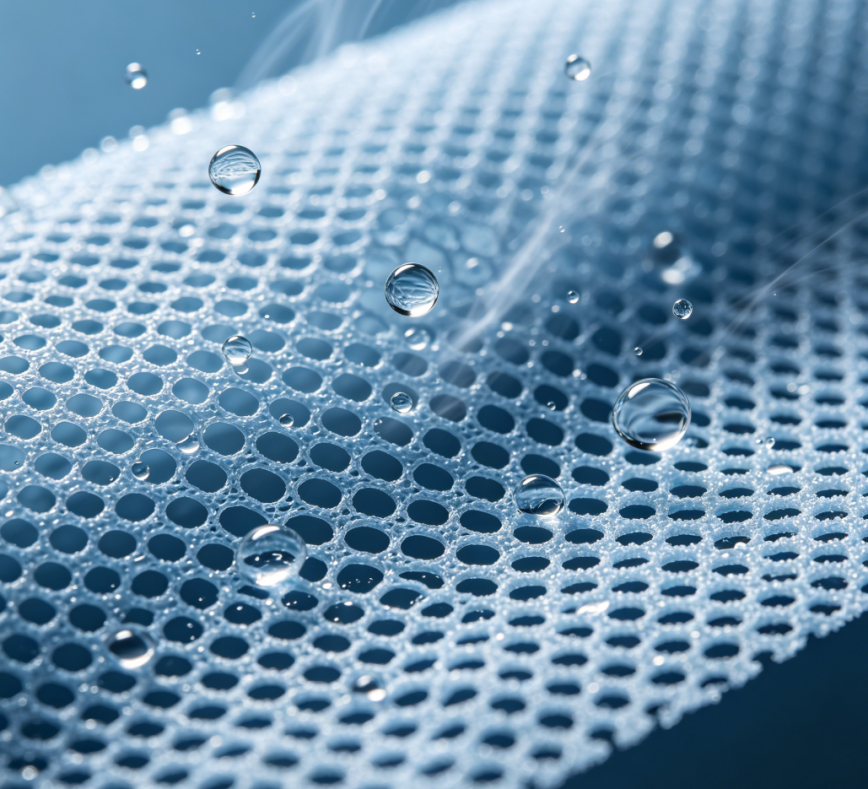
TPU, or thermoplastic polyurethane elastomer, boasts outstanding overall performance. When made into films and laminated with textiles, it can produce protective fabrics that are waterproof, breathable, and exceptionally strong. This article analyzes fabric characteristics, manufacturing processes, and practical applications, drawing on domestic and international research findings to provide a reference for upgrading protective fabric technology.
TPU is polymerized from polyols and diisocyanates, and its molecular structure can be optimized through additives to enhance performance. The material exhibits excellent stretchability and abrasion resistance, a wide temperature tolerance range, and oil and corrosion resistance that adapts to various harsh working conditions. It is categorized into polyester-based, polyether-based, and other types, with polyether-based variants offering superior stability and being the most widely used in protective apparel.
The fabric achieves waterproofing and breathability through a unique microporous structure. The tiny pores block the penetration of liquid water while allowing body moisture vapor to escape, effectively alleviating stuffiness during wear. On this basis, the fabric can also be enhanced with antibacterial and antistatic functions, comprehensively elevating its protective capabilities.
Composite fabrics come in multi-layer structural designs. Three-layer structures offer stability and comfort, suitable for heavy industrial protection. Two-layer structures are lightweight and minimalist, meeting the needs of routine light-duty operations. Multi-functional composite fabrics can integrate flame-retardant and anti-static effects, adapting to special operations scenarios. Various base fabrics such as polyester and aramid are selected as needed to match different protection requirements.
The performance parameters of this composite fabric meet domestic and international testing standards, offering reliable tensile and tear resistance, excellent waterproofing and breathability, and stable performance across both high and low temperature environments.
Compared to traditional protective materials, TPU composite fabrics demonstrate significant overall advantages. PVC and rubber fabrics offer poor breathability and feel bulky and restrictive to wear. This new fabric balances protection, comfort, and elasticity at a moderate cost, making it suitable for large-scale production. Premium fabrics offer even better breathability, but their high costs make widespread adoption difficult.
Chemical industry scenarios involve complex working conditions with numerous hazards such as corrosion, dust, and high temperatures. TPU composite fabrics possess strong resistance to chemical erosion. When made into protective workwear, they effectively reduce perspiration discomfort for workers and deliver far superior anti-permeation protection compared to traditional fabrics.
Firefighting and rescue garments demand stringent comprehensive performance. TPU materials can be combined with flame-retardant fibers to produce professional protective clothing, with all indicators meeting industry regulatory standards. Thanks to its outstanding overall performance, this fabric has also been widely adopted in numerous international fire protection products.
Construction and outdoor operations are constantly exposed to rain, snow, and UV radiation year-round. This fabric demonstrates good anti-aging properties, effectively extending the service life of garments. Even in damp environments, it maintains a dry and comfortable wearing experience.
The medical and epidemic prevention sector also holds application potential. TPU fabric offers superior breathability compared to traditional protective textiles, significantly reducing the suffocating feeling from prolonged wear. It is now gradually being applied in the development of new isolation protective garments.
TPU films are primarily manufactured through three processes: casting, blown film extrusion, and calendering. The casting process produces films with uniform texture and is the mainstream choice for fabric processing. Blown film extrusion offers lower costs, while calendering is mostly used for thick film production. Each of the three processes has its applicable scenarios, advantages, and disadvantages.
Film-to-fabric lamination includes three methods: thermal lamination, coating, and co-extrusion. Domestic production predominantly employs thermal lamination for its strong bonding, while overseas premium products mostly use integrated co-extrusion technology. Coating processes have certain environmental limitations.
Currently, fabric industrialization still faces technical bottlenecks. Film-to-fabric adhesion and the balance between waterproofing and breathability need optimization. Performance tends to degrade after repeated use, and integrating multiple protective functions remains challenging. The industry is continuously tackling these issues through material modification.
Domestic research institutions and universities are carrying out ongoing technical breakthroughs, using nanomaterials to improve fabric structure and effectively enhance breathability without compromising protective capabilities, steadily driving the quality improvement of local protective fabrics.
Foreign composite material research and development started earlier, with leading companies possessing deep technical expertise. The industry has already proposed concepts for smart fabric development. In the future, fabrics will be able to autonomously adjust breathability based on environmental temperature and humidity, further upgrading the wearing experience.
Future protective fabrics will evolve toward multi-functionality, intelligence, and green sustainability. Multiple protective functions will continue to converge, smart sensing materials will gradually be commercialized, environmentally friendly and biodegradable materials will accelerate in adoption, and customized fabrics will better adapt to the industrial protection needs of various sectors.
Source: https://www.alltextile.cn/new/new-92-428.html

