


China Labor Protection Expo | Managing Hazardous Waste: Compliance, Control and Practical Strategies for EHS Leaders
Hazardous waste management has become a core priority for manufacturers, logistics operators, laboratories, construction firms and processing plants worldwide. As environmental standards tighten and regulators increase scrutiny, businesses are expected to classify, store, transport and dispose of hazardous waste with greater accuracy than ever before. These trends are also drawing industry attention at the China Labor Protection Expo, where workplace safety and environmental management increasingly intersect.
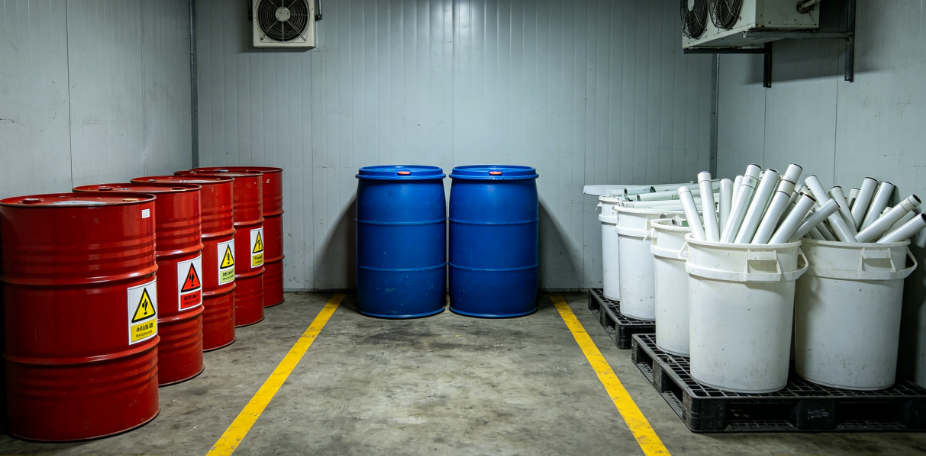
For many organizations, hazardous waste is unavoidable. Even small quantities of used batteries, solvent containers, contaminated rags, adhesives, oils or chemical residues can fall under regulated waste rules. If such materials are mishandled, the consequences may include pollution incidents, fires, worker exposure, legal penalties, reputational damage and costly clean-up operations. This means hazardous waste compliance is no longer just an environmental issue—it is also a business continuity and occupational safety issue.
Why Correct Classification Matters
The foundation of effective waste management is accurate classification. Hazardous waste typically includes materials that are toxic, flammable, corrosive, reactive or otherwise harmful to human health or the environment. Common examples include lubricants, paint thinners, pesticides, asbestos, contaminated absorbents, electronic waste and certain chemical packaging.
Misclassification remains one of the most common causes of enforcement action. A waste stream incorrectly labelled as non-hazardous may be sent to the wrong disposal facility, stored in unsuitable containers or transported without proper documentation. In practical terms, a simple administrative error can escalate into a serious compliance breach.
Duty of Care Across the Waste Chain
Modern waste regulation places responsibility on every party involved in the waste chain—from producer to transporter to disposal facility. Businesses must ensure that waste:
· Is stored securely and does not leak or escape
· Is collected by licensed and authorized carriers
· Is delivered to approved treatment or recovery sites
· Is accompanied by accurate records and descriptions
· Is traceable through retained documentation
Importantly, responsibility cannot simply be outsourced. Hiring a contractor does not remove the generator’s duty to verify that carriers and receiving facilities are operating legally.
Safe Storage and Handling on Site
Poor storage practices are a major source of incidents. Hazardous waste should be placed in clearly labelled, compatible containers and kept in designated areas with spill control measures. Incompatible substances must be segregated to prevent reactions, while liquid waste should be stored with bunding or secondary containment.
Facilities should also maintain impermeable flooring, suitable drainage controls and emergency spill kits. Fire prevention is especially important where flammable waste is present. These measures protect both workers and the surrounding environment.
Documentation and Tracking
Accurate paperwork remains essential. Waste transfer notes, consignment records and movement logs create an audit trail from generation to final disposal. Many countries are now shifting toward digital waste tracking systems that improve transparency, reduce paperwork errors and enable real-time monitoring.
For EHS managers, this means internal systems may need upgrading. Staff training, software readiness and stronger data controls will become increasingly important as digital reporting expands.
Best Practice Strategies for EHS Managers
Leading organizations are moving beyond basic compliance and building proactive hazardous waste systems. Effective strategies include:
1. Annual Waste Reviews
Conduct a full review of all waste streams each year. Confirm classifications, quantities, storage arrangements and contractor approvals.
2. Contractor Due Diligence
Check licenses, permits, insurance status and compliance history before engaging waste vendors.
3. Strong Recordkeeping
Maintain classification evidence, movement documents, inspection reports and contractor checks in accessible formats.
4. Staff Training
Employees who handle waste should understand segregation rules, hazard labels, spill response procedures and escalation channels.
5. Prepare for Digital Systems
Begin transitioning to electronic data capture and digital waste logs ahead of regulatory deadlines.
The Link Between Safety and Sustainability
Hazardous waste is often discussed through an environmental lens, but poor waste management can directly affect worker safety. Leaking chemicals, combustible residues, sharp contaminated materials and improper storage all create occupational risks. This is why waste management now sits naturally beside PPE, emergency response and industrial hygiene in many corporate safety programs.
Looking Ahead
As regulation evolves, organizations that treat hazardous waste as a strategic management issue—not just a disposal task—will be better positioned for long-term success. Strong classification systems, reliable contractors, trained employees and modern tracking tools reduce risk while supporting sustainability goals.
With global industry placing greater emphasis on responsible operations, hazardous waste management is becoming a key theme in professional safety forums and events such as the China Labor Protection Expo, where companies seek integrated solutions for safer workplaces and cleaner industrial growth.
Source: https://www.britsafe.org/safety-management/2026/managing-hazardous-waste-environmental-regulation-and-practical-tips-for-ehs-managers

