


Labor Protection Exhibition | The Hidden Burden of Exposure: Why Long-Term Hazard Control Matters More Than Ever
Not every workplace injury happens in an instant. Some of the most serious occupational health impacts develop quietly over many years, often without immediate warning signs. Unlike slips, falls, collisions, or visible accidents, long-term exposure to harmful substances can create damage that remains unnoticed until much later in life. As industries place greater focus on sustainable worker wellbeing, this growing challenge is receiving increased attention at global forums and professional platforms such as the Labor Protection Exhibition.
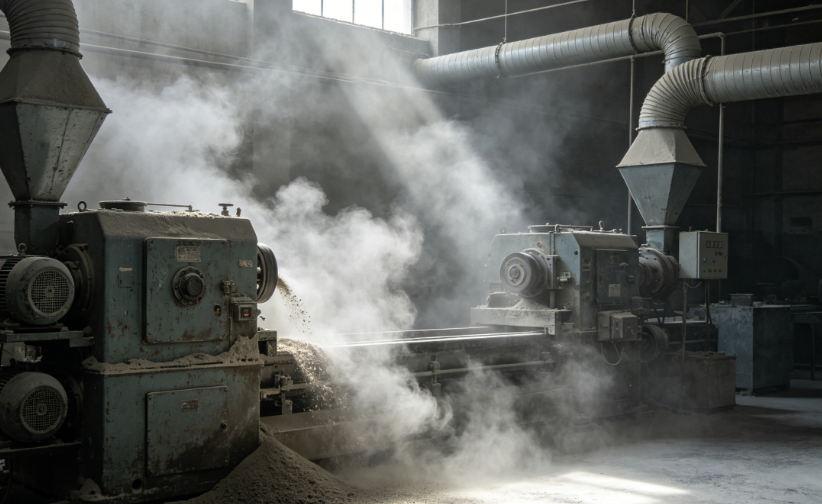
Traditional safety programs have understandably focused on preventing sudden incidents—events that can immediately harm workers or disrupt operations. These risks remain important, but there is another category of danger that often receives less attention: chronic exposure. Dust, fibers, fumes, chemicals, and airborne particles may not trigger an emergency response in the moment, yet their cumulative impact can be equally severe.
This is one of the defining realities of modern occupational health. While many workplaces have become better at managing acute physical hazards, long-term exposure risks remain underestimated across numerous sectors. The result is that preventable illnesses may continue developing long after exposure has occurred.
A well-known example is asbestos. Although its use has been banned or heavily restricted in many countries, asbestos remains present in older buildings, infrastructure, insulation systems, and industrial materials. Maintenance teams, renovation workers, contractors, and specialists may still encounter hidden asbestos-containing materials during routine tasks.
When asbestos fibers are disturbed and inhaled, they can remain in the body for decades. Diseases linked to asbestos exposure may emerge many years later, demonstrating how occupational risks can outlast the original workplace and even the career itself. This legacy challenge continues to shape building safety strategies worldwide.
Silica dust presents another major concern for both current and future workers. Activities such as cutting concrete, drilling masonry, grinding stone, and processing minerals can generate respirable crystalline silica. Without proper controls, repeated inhalation may lead to serious respiratory illness.
What makes silica especially important is that exposure often occurs during everyday tasks in construction, manufacturing, engineering, and infrastructure work. Yet with modern dust suppression systems, ventilation, wet-cutting methods, and suitable respiratory protection, many of these risks can be significantly reduced.
Emerging materials and advanced manufacturing processes also introduce new occupational health questions. As industries innovate with composites, engineered particles, specialty coatings, and chemical formulations, organizations must ensure that technological progress is matched by responsible risk assessment.
New substances may improve performance, efficiency, or sustainability, but they also require careful evaluation regarding inhalation hazards, skin contact risks, long-term environmental persistence, and waste management. Innovation and prevention must move forward together.
Indoor air quality is another area gaining importance. Even workplaces traditionally viewed as low-risk—such as offices, healthcare facilities, educational buildings, or commercial kitchens—can be affected by poor ventilation, combustion byproducts, cleaning chemicals, and fine particulate matter.
Airborne contaminants may not create immediate symptoms, yet over time they can contribute to fatigue, irritation, respiratory discomfort, and broader health concerns. Cleaner indoor environments therefore support both wellbeing and productivity.
So what does strong safety leadership look like in response to these hidden risks?
First, it requires a shift from reactive thinking to preventive thinking. The absence of visible symptoms does not mean the absence of danger. Monitoring programs, exposure assessments, occupational hygiene surveys, and health surveillance systems are valuable tools for identifying issues early.
Second, organizations should continue applying the hierarchy of controls. Personal protective equipment remains important, but PPE should not be the first or only line of defense. Eliminating hazardous materials, substituting safer alternatives, enclosing processes, improving ventilation, and redesigning workflows often provide more reliable long-term protection.
Third, collaboration matters. Exposure risks do not always stop at the workplace boundary. Supply chains, waste streams, neighboring communities, and environmental systems can all be affected. Addressing these challenges often requires cooperation between employers, regulators, technical experts, and public health institutions.
Training and awareness are equally critical. Workers who understand hidden hazards are more likely to follow safe procedures, report concerns, and use protective systems correctly. Supervisors who recognize the importance of occupational health can help reinforce a culture that values prevention as much as productivity.
Perhaps most importantly, long-term risk management reflects a broader view of responsibility. Effective safety leadership is not only about preventing today’s accident—it is about protecting future health outcomes that may not be visible for years.
The decisions made now regarding air quality, hazardous substances, process controls, and exposure monitoring will shape the wellbeing of tomorrow’s workforce. That is why controlling hidden risks today is one of the most meaningful investments any organization can make.
Source: https://www.britsafe.org/safety-management/2026/the-long-shadow-of-exposure-confronting-the-hidden-burden-of-harmful-substances

