


China Personal Protective Equipment Expo | Compressed Air Safety in Industry: Managing Risks for Safer and More Efficient Workplaces
Compressed air systems are essential to modern industry. They power pneumatic tools, production equipment, control systems, cleaning operations, and automated processes across sectors such as manufacturing, food processing, automotive assembly, logistics, and marine maintenance. Often referred to as the “fourth utility” alongside electricity, water, and gas, compressed air plays a critical role in daily operations. As workplace safety standards continue to evolve, compressed air risk management is receiving increased attention across the industry and at major platforms such as the China Personal Protective Equipment Expo.
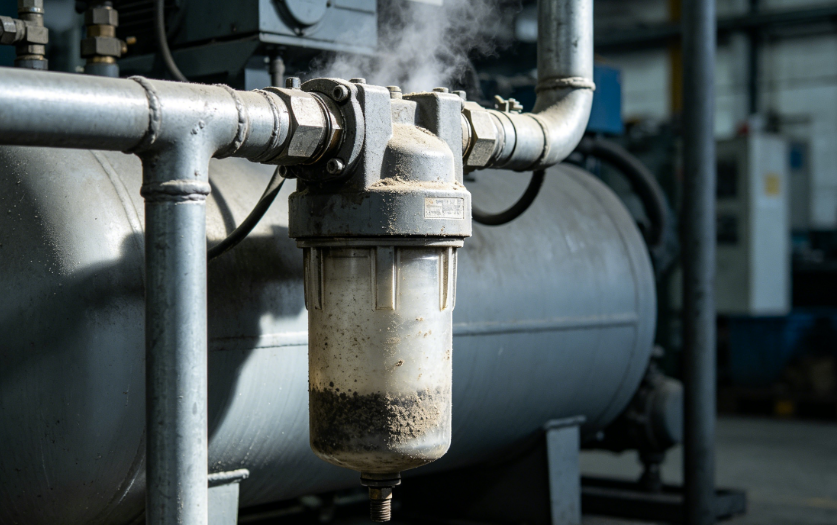
Although compressed air is widely used, it should never be treated as a low-risk utility. Behind its convenience lies a range of hazards related to pressure, air quality, equipment integrity, and human exposure. Safe use and regular maintenance are essential to prevent injuries, downtime, and costly operational disruptions.
One of the most important safety considerations is compressed air quality. Poor-quality compressed air can contain harmful contaminants that affect both machinery and worker health. The three most common forms of contamination are solid particles, moisture, and oil residue.
Solid particles such as dust, rust, or metal fragments may enter systems through intake air or worn components. These contaminants can damage sensitive equipment, reduce product quality, and shorten tool life. In precision manufacturing environments, even small particles may create significant operational issues.
Moisture is another common problem. Water vapor can condense inside pipelines, tanks, and tools, leading to corrosion, bacterial growth, freezing in cold conditions, and reduced system efficiency. Excess moisture may also compromise product quality in sectors that require clean and dry air.
Oil contamination can come from lubricated compressors or residual vapors within the system. In industries such as food production, pharmaceuticals, and electronics, oil traces may create hygiene or quality concerns. Effective filtration and system monitoring are therefore critical.
Compressed air also presents direct physical hazards. High-pressure air released unexpectedly can cause severe injuries. Even relatively low pressure can damage skin, eyes, or internal tissue if directed at the body. Air hoses that disconnect suddenly may whip violently, creating impact risks for nearby workers.
Over-pressurized cylinders, damaged pipelines, or poorly maintained fittings can fail unexpectedly. For this reason, pressure systems should always be operated within manufacturer specifications and inspected regularly by qualified personnel.
To manage these risks effectively, many companies align their systems with internationally recognized air quality standards such as ISO 8573. This framework helps organizations define acceptable levels of particles, water, and oil contamination based on the needs of each application.
For example, highly sensitive sectors such as food processing or pharmaceutical manufacturing often require cleaner air classifications, while general workshop tools may operate safely under less demanding standards. Matching air purity to the operational task improves both compliance and cost efficiency.
Routine inspection is another key part of safe compressed air management. Daily checks should include hoses, couplings, cylinders, valves, gauges, and visible pipework. Signs of leakage, wear, corrosion, dents, or loose fittings should be addressed immediately before use continues.
Preventive maintenance programs are especially valuable. Scheduled servicing by trained engineers can help replace worn seals, damaged hoses, filters, drains, moisture separators, and valves before failures occur. This proactive approach reduces downtime and extends equipment life.
Emergency systems should also be tested regularly. Shutoff valves must remain accessible and functional, while workers should understand response procedures for leaks, hose failures, or pressure-related incidents. Clear reporting systems help ensure fast action when problems arise.
Worker training is equally important. Employees using compressed air equipment should understand correct operating pressures, proper tool handling, hose securing methods, and prohibited practices such as directing air toward the body or using compressed air for unsafe cleaning methods.
Personal protective equipment adds another important layer of safety. Depending on the task, workers may require safety glasses, hearing protection, gloves, and protective footwear. In noisy compressor environments, hearing conservation measures can be particularly beneficial.
System design also influences long-term performance. Proper drainage, correctly sized piping, effective dryers, and suitable filtration help maintain cleaner air and lower energy use. Well-designed systems often operate more safely while reducing operating costs.
Ultimately, compressed air should be managed with the same seriousness as any other industrial utility. When organizations combine quality standards, regular inspections, preventive maintenance, worker training, and appropriate PPE, compressed air systems can operate safely, efficiently, and reliably.
In today’s industrial environment, compressed air safety is not only about compliance—it is about protecting people, maintaining production continuity, and supporting high-performance operations.
Source: https://www.britsafe.org/safety-management/2026/compressed-air-always-manage-the-risks

