


CIOSH | Precision Safety in Food Manufacturing: The New Era of Hand Protection in 2026
As the food manufacturing industry advances into a more technology-driven future, hand protection is no longer viewed as a basic compliance item or a simple requirement on a safety checklist. Instead, it has become an essential component of workforce wellbeing, product quality, and operational continuity. Across global manufacturing forums and professional events such as CIOSH, hand safety is increasingly recognized as a strategic investment rather than a routine purchase.
For many years, food manufacturers faced a familiar challenge: stronger protective gloves often reduced dexterity and comfort, while lighter gloves improved flexibility but offered less defense against cuts, heat, or chemical exposure. In fast-paced production environments, both worker safety and productivity depend heavily on finding the right balance. In 2026, however, that traditional compromise is being replaced by smarter solutions built on advanced materials and ergonomic design.
Modern glove technology now focuses on what many experts describe as “precision safety.” Rather than creating a barrier alone, today’s hand protection products are engineered to match specific tasks, risks, and user needs. This shift is transforming the relationship between worker protection and plant efficiency.
The food and beverage sector continues to be one of the fastest-growing users of industrial safety gloves. Demand is driven by the dual importance of hygiene and injury prevention during production, packaging, handling, and sanitation processes. At the same time, cut-resistant gloves remain among the most widely adopted categories, reflecting the everyday presence of knives, slicers, and automated machinery across modern facilities.
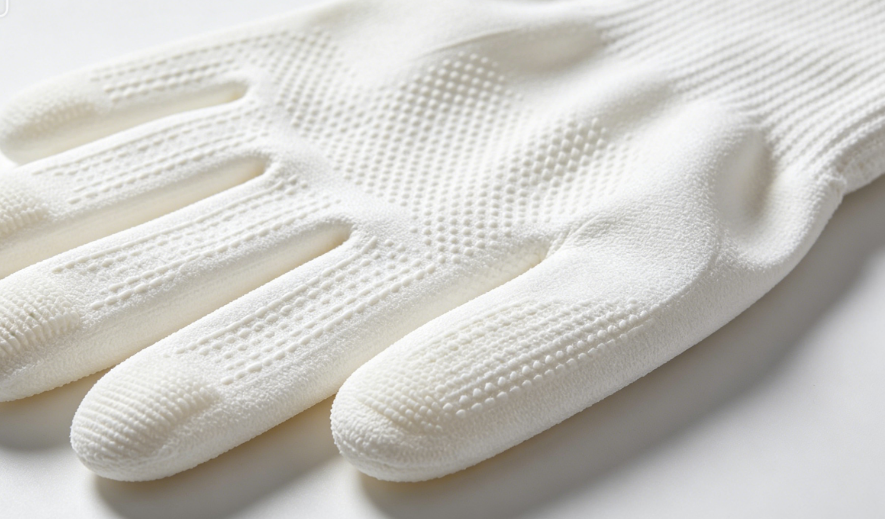
One of the most important developments in 2026 is the rise of ultra-lightweight, high-performance gloves. New-generation liners and advanced fibers now allow manufacturers to deliver strong cut resistance without adding bulk. Workers can handle delicate tasks, maintain tactile sensitivity, and move more naturally while still receiving robust protection.
This matters because overbuilt protective gear can create hidden risks. Gloves that are too stiff or heavy may cause hand fatigue, reduce grip confidence, or slow movement. Over time, discomfort can distract workers from critical hygiene and quality-control procedures. By contrast, ergonomic gloves designed to feel like a second skin encourage longer wear time, better compliance, and more consistent safety behavior throughout a shift.
Another major trend is the growing understanding that worker safety and food safety are inseparable. In a food production environment, a hand injury is not only a personal incident—it can also interrupt operations and create contamination concerns. A cut or abrasion may introduce biological risks, while damaged gloves or bandages can create foreign material hazards.
For this reason, leading manufacturers are adopting dual-purpose hand protection systems that protect both people and products. Many facilities now use color-coded glove programs to separate raw material zones from ready-to-eat production areas. This helps strengthen allergen management and improves visual compliance across departments.
Material durability is also receiving more attention. Gloves designed to resist tearing, shedding, or fragmenting reduce the chance of particles entering the production line. In some specialized environments, detectable glove materials that can be identified by inspection systems add another layer of product security.
Perhaps the most transformative change in 2026 is the move from habit-based purchasing to data-driven glove selection. In the past, many companies reordered familiar products simply because they had always used them. Today, safety managers increasingly rely on hazard assessments, task analysis, and material compatibility data when selecting PPE.
This means matching glove polymers and coatings to the exact chemicals, oils, moisture levels, and temperatures present in each facility. It also means understanding grip requirements, wear duration, and repetitive motion demands. The result is more accurate protection, better worker comfort, and improved cost efficiency.
Many facilities are also reducing unnecessary complexity in their inventories. Instead of stocking multiple low-performance gloves for separate tasks, companies are identifying versatile, high-performing options that cover a wider range of applications. This simplifies training, improves replenishment efficiency, and ensures workers always have the correct protection available.
Looking ahead, digital integration is becoming part of the next wave of hand protection. Touchscreen-compatible gloves now allow workers to interact with quality-control systems, scanners, and smart devices without removing PPE. This saves time, improves hygiene, and supports smoother workflows in connected factories.
Ultimately, the message of 2026 is clear: hand protection is no longer just about avoiding injuries. It is about supporting productivity, safeguarding food quality, and strengthening brand trust. Manufacturers that invest in advanced, task-specific, and worker-friendly hand protection systems are building safer and more resilient operations for the future.
Source:https://www.foodmanufacturing.com/home/article/22959394/beyond-the-barrier-the-state-of-hand-protection-in-2026

