


Labor Protection Exhibition | The Right Use of Anti-Slip Safety Footwear in Wet and Greasy Workplaces
In kitchens, workshops, warehouses, construction sites, and cold storage facilities, floors often become contaminated with water, oil, cleaning agents, or food residue. In such environments, anti-slip safety footwear plays a critical role in maintaining worker stability and preventing workplace incidents. One essential point repeatedly emphasized at the Labor Protection Exhibition is that proper selection, fitting, and maintenance of slip-resistant shoes are just as important as the footwear itself—yet many workers remain unaware of how to maximize their protective benefits.
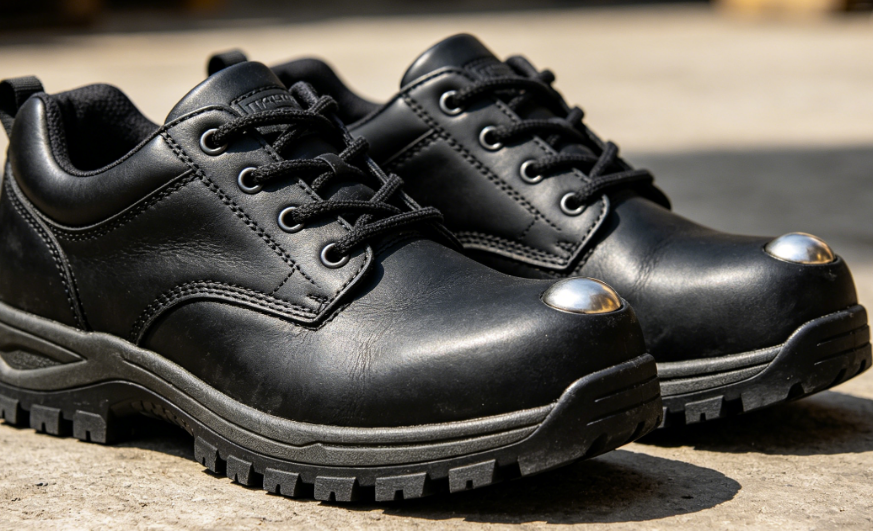
Selecting the right sole for the specific workplace is the first and most fundamental step. Different sole materials and tread patterns are designed for different slippery conditions. For example, rubber soles with deep treads perform well on muddy and wet construction sites, while oil-resistant soles are necessary in machine shops or garages where oil and grease are common. In food processing and catering environments, soles must resist detergents and water while maintaining grip on smooth tile or stainless steel surfaces. Before making a choice, workers should identify the primary slippery substances present in their work area and consult product specifications to ensure the selected sole matches actual working conditions.
Proper fit and wearing method directly affect slip resistance. Safety shoes should be fastened securely using laces or Velcro straps, keeping the foot snugly in place. Shoes that are too loose can lead to unstable balance, cause the foot to slide inside the shoe, or even result in tripping. Workers should never crush the heel or wear the shoes as slippers, as this compromises the shoe’s envelopment and reduces walking stability. Correct sizing also matters: shoes that are too small restrict circulation and cause discomfort, while oversized shoes create friction and blisters, reducing control over foot movement.
During work hours, workers should develop the habit of regularly cleaning the tread patterns on their shoe soles. Dirt, oil, metal shavings, and food debris can easily become lodged in the grooves, blocking the anti-slip texture and significantly lowering the coefficient of friction. When walking on wet or greasy floors, workers are advised to reduce their walking speed, avoid sudden turns, running, or long strides, and keep their center of gravity stable. Even high-grade anti-slip footwear cannot guarantee full stability when moving quickly across oily or wet surfaces.
It is also important to recognize the limitations of anti-slip safety shoes. No product offers complete slip protection under extreme conditions, such as thick oil layers, large areas of soapy water, or highly polished glossy surfaces. Therefore, anti-slip personal protective equipment should be used alongside environmental control measures, including keeping floors clean, installing anti-slip mats, and posting warning signs. This combined approach creates a comprehensive safety system.
Finally, worn-out anti-slip shoes should be replaced promptly. When the sole tread has been worn smooth, slip resistance is essentially lost, and continuing to wear such shoes offers no protective benefit. Workplaces should establish regular inspection and replacement schedules to ensure every worker has access to effective anti-slip safety footwear. By following these practical guidelines, workers can significantly enhance their stability and reduce the likelihood of balance-related incidents in challenging floor conditions.
Source: https://www.loadermarket.com/news/correct-use-of-anti-slip-safety-footwear-in-we-85511239.html

