


Labor Protection Exhibition | Strengthening Awareness of Asthma Risks in Vehicle Paint Spraying
In motor vehicle repair workshops, paint spraying is a routine process, yet it carries significant health considerations that require ongoing attention. As industry practices evolve and safety standards continue to improve, greater emphasis is being placed on reducing exposure to hazardous substances and reinforcing protective measures. This growing awareness is also reflected in broader safety discussions and professional exchanges, including platforms such as the Labor Protection Exhibition.
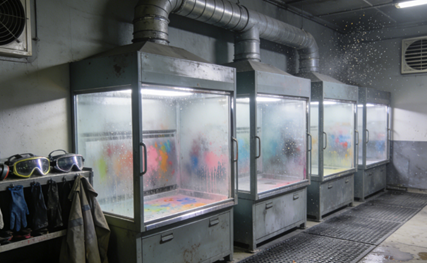
One of the key concerns in paint spraying operations is exposure to isocyanates, a group of chemicals commonly found in two-component paints, coatings, and lacquers. These substances are widely used for their durability and finish quality, but they also present serious respiratory risks if not properly controlled. Over time, repeated exposure can lead to occupational asthma, a condition that significantly affects breathing and long-term health.
Industry observations over the years have shown that vehicle paint sprayers face a higher likelihood of developing respiratory issues compared to many other roles. Earlier awareness initiatives and safety campaigns successfully reduced exposure levels by promoting better practices, improved equipment use, and regular health monitoring. These efforts demonstrated that with the right combination of training, supervision, and protective measures, risks can be effectively managed.
As workforce turnover increases and new employees enter the industry, reinforcing these safety practices has become increasingly important. Updated guidance now emphasizes a comprehensive approach that combines technical controls, proper use of protective equipment, and continuous monitoring. Effective ventilation systems, enclosed spray booths, and the use of air-fed respiratory protection are considered essential elements in minimizing exposure during spraying activities.
In addition to engineering controls, clear operational procedures play a critical role. Workers are encouraged to follow defined safety steps, such as allowing sufficient clearance time after spraying before re-entering work areas. Communicating these requirements clearly and displaying them within the workspace helps ensure consistent compliance in daily operations.
Health monitoring is another key component of modern safety management in this field. Regular assessments, including respiratory checks and routine health questionnaires, support early identification of potential issues. Skin monitoring is also important, as exposure can occur not only through inhalation but also through direct contact. These measures contribute to a more proactive approach, helping maintain long-term well-being.
To verify that control measures are functioning effectively, exposure monitoring techniques are widely recommended. Biological testing methods, such as analyzing trace substances in the body, provide a practical way to assess whether protective systems are working as intended. Even short-term exposure events can be detected through such methods, highlighting the importance of maintaining strict adherence to safety procedures at all times.
In parallel with guidance updates, inspection and outreach activities are being strengthened to ensure that safety practices are consistently applied across workshops. These efforts focus on evaluating risk management processes, verifying the correct use of protective equipment, and ensuring that training programs remain up to date. By combining oversight with education, the industry continues to move toward more standardized and reliable safety practices.
Overall, effective management of paint spraying risks depends on a combination of awareness, proper equipment, and disciplined execution of safety procedures. By maintaining a strong focus on prevention and reinforcing best practices, workplaces can significantly reduce health risks associated with chemical exposure. As safety standards continue to advance, consistent implementation will remain essential in protecting workers and supporting a healthier working environment.
Source: https://www.britsafe.org/safety-management/2026/paint-spraying-why-motor-vehicle-repair-workshops-need-to-tackle-the-asthma-risk

