


China International Occupational Safety & Health Goods Expo | Respiratory Protection: A Key Component of Workplace Safety
In many industries, workers are exposed to airborne hazards that can affect health and safety. Dust, fumes, vapors, chemical gases and airborne particles are common in sectors such as manufacturing, construction, chemical processing, healthcare and mining. To help reduce these risks, respiratory protection equipment has become an essential part of modern occupational safety systems. As workplace safety standards continue to evolve worldwide, respiratory protection solutions are frequently discussed at professional industry events such as the China International Occupational Safety & Health Goods Expo, where companies and safety professionals exchange ideas about the latest protective technologies.
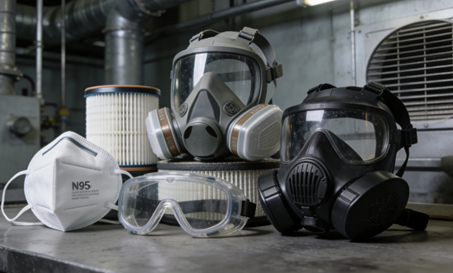
Respiratory protection refers to equipment designed to protect workers from breathing harmful substances in the air. In many workplaces, engineering solutions such as ventilation systems or process modifications are used to reduce airborne hazards. However, when these measures cannot fully eliminate risks, respirators provide an additional layer of protection for employees who must work in contaminated environments. According to occupational safety guidance, respirators are widely used in workplaces where the air may contain dust, fumes, mists, gases or other potentially harmful substances.
Millions of workers around the world rely on respiratory protection during their daily work. Respirators are designed to protect users from environments with insufficient oxygen as well as from airborne contaminants that may cause respiratory illnesses or long-term health effects. In many cases, proper use of respiratory protection equipment plays an important role in reducing occupational exposure to harmful particles and chemicals.
Respirators generally function in two main ways. The first type works by filtering contaminants from the surrounding air before it is inhaled. These are often called air-purifying respirators and include filtering facepiece respirators that remove airborne particles as well as cartridge-based respirators that filter chemical gases and vapors. The second type supplies clean air to the user from an independent source, ensuring that the wearer breathes uncontaminated air regardless of the surrounding environment. Examples include supplied-air respirators and self-contained breathing apparatus systems used in specialized work environments.
Different workplaces require different types of respiratory protection depending on the hazards present. In environments where airborne dust or fine particles are common, filtering respirators are often used to capture particulate matter. In chemical or industrial facilities where gases or vapors may be present, respirators equipped with specialized cartridges or filters are used to remove those substances from the air. In more demanding environments where oxygen levels may be limited or contaminants are highly concentrated, air-supplied respirators provide a controlled breathing source for workers.
Selecting the correct respirator is an important step in ensuring effective protection. Occupational safety guidelines recommend evaluating the type of contaminant, its concentration and the potential health impact when choosing respiratory protection equipment. Different respirators are designed to protect against specific hazards, and the appropriate type must be selected to match the working conditions. This evaluation process helps ensure that workers receive adequate protection while maintaining comfort and usability during long working hours.
In addition to selecting the right equipment, proper training is essential for effective respiratory protection. Workers need to understand how to wear, adjust and maintain their respirators correctly. A proper seal between the respirator and the wearer’s face is necessary for optimal protection, and regular fit testing helps confirm that the equipment functions as intended. Training programs also help workers recognize when respirators are required and how to respond if conditions in the workplace change.
Maintenance and inspection are also key components of a respiratory protection program. Respirators must be regularly cleaned, checked and stored properly to ensure reliable performance. Filters and cartridges need to be replaced according to recommended schedules, as these components can only absorb or remove a limited amount of contaminants before they lose effectiveness. Regular inspection helps ensure that protective equipment remains in good working condition and ready for use when needed.
Modern technology is also contributing to improvements in respiratory protection. Advances in materials and filtration technologies have led to lighter, more comfortable respirators that provide high levels of protection while allowing workers to perform tasks efficiently. Some modern designs incorporate ergonomic structures, improved airflow systems and enhanced filtration efficiency, helping to increase both safety and user comfort.
As industries continue to modernize, awareness of occupational health and safety is increasing across many sectors. Companies are placing greater emphasis on protecting workers from environmental hazards, and personal protective equipment has become an integral part of workplace safety management. Respiratory protection is particularly important in environments where airborne hazards are present, making it a key focus in the broader development of occupational safety practices.
Industry exhibitions and professional forums play an important role in promoting knowledge exchange within the safety sector. Events such as the China International Occupational Safety & Health Goods Expo provide a platform for manufacturers, safety professionals and researchers to explore the latest developments in protective equipment. New respirator technologies, advanced filtration materials and innovative design concepts are often showcased at these events, highlighting the ongoing progress in occupational safety solutions.
With continuous innovation in protective technology and growing awareness of workplace safety, respiratory protection will remain an essential component of modern occupational health systems. By combining effective equipment, proper training and well-designed safety programs, organizations can help create safer working environments while supporting the wellbeing of workers across many.
Source:U.S. Department of Labor

