


China Personal Protective Equipment Expo | The Future of Workwear and PPE: Key Trends Shaping Workplace Protection in 2026
As industries continue to evolve, workplace safety equipment is also undergoing significant transformation. Workwear and personal protective equipment (PPE) are no longer viewed as simple protective garments; instead, they are increasingly recognized as essential tools that enhance worker safety, productivity and comfort. Across sectors such as manufacturing, construction, logistics and energy, companies are investing more in advanced protective clothing that combines durability, ergonomic design and modern materials. These developments are also frequently discussed within the global safety industry at events such as the China Personal Protective Equipment Expo, where new innovations in workwear and protective equipment attract widespread attention.
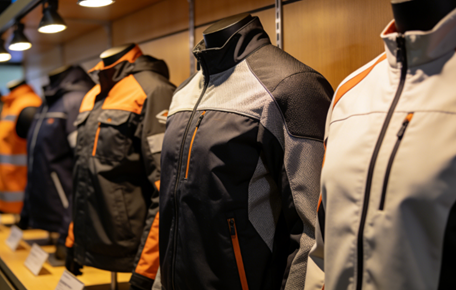
In recent years, the expectations placed on workwear and PPE have expanded considerably. Organizations are not only focused on meeting safety requirements but are also paying closer attention to long-term performance, sustainability and worker wellbeing. As a result, the development of protective clothing is moving toward more integrated solutions that balance safety, comfort and operational efficiency.
One of the most noticeable trends shaping the industry in 2026 is the growing emphasis on human-centred design. In many workplaces, protective garments must be worn for long hours, sometimes under physically demanding conditions. Poorly designed workwear can lead to discomfort, fatigue and reduced concentration, which may ultimately affect safety. Modern workwear is therefore increasingly designed with ergonomics in mind, including flexible structures that support natural movement and lightweight fabrics that reduce strain during extended shifts. Breathable materials and improved garment construction also help workers stay comfortable in varying environmental conditions. By improving comfort and mobility, human-centred workwear design can encourage consistent use of protective equipment and contribute to safer working environments.
Durability and lifecycle value have also become important considerations for employers when selecting protective clothing. Instead of focusing solely on initial purchase cost, many organizations are evaluating the overall lifespan and performance of workwear. Durable fabrics, reinforced seams and strengthened high-wear areas are increasingly incorporated into modern protective garments to extend their service life. Workwear designed to withstand frequent industrial washing and demanding environments can reduce replacement frequency and improve cost efficiency over time. This approach reflects a broader shift toward long-term value in safety equipment procurement.
Another major development influencing the PPE industry is the growing focus on sustainability. Environmental responsibility is becoming an important factor in the design and production of workwear. Manufacturers are exploring ways to reduce environmental impact by using traceable materials, improving production efficiency and creating longer-lasting garments that reduce waste. Rather than relying solely on general environmental claims, companies are increasingly expected to demonstrate transparent sourcing practices and measurable sustainability efforts. This shift highlights how environmental considerations are becoming integrated into the development of modern protective equipment.
Alongside sustainability, technological innovation is gradually reshaping the way protective equipment functions in real working environments. While early discussions about wearable technology often focused on complex sensor systems, current industry development emphasizes practical improvements that enhance safety without adding unnecessary complexity. For example, advanced fabric technologies can help regulate temperature and moisture, improving comfort during physically demanding tasks. High-visibility materials and reflective elements are also being refined to improve worker visibility in low-light conditions. These technologies are designed to integrate naturally into workwear so that safety improvements occur without disrupting daily operations.
Another important trend in 2026 is the move toward workforce-specific protective solutions. Traditional “one-size-fits-all” approaches to workwear are gradually being replaced by more specialized designs that reflect the actual needs of different industries and job roles. For instance, workers in manufacturing environments may require garments with enhanced abrasion resistance, while outdoor workers may prioritize weather protection and visibility. Inclusive sizing and improved fit options are also becoming more common, allowing protective clothing to better accommodate diverse workforces. Tailored solutions help ensure that safety equipment performs effectively under real working conditions while improving wearer comfort and engagement.
In addition to technical improvements, the role of workwear in workplace culture is also gaining recognition. Well-designed protective clothing can help reinforce safety awareness while supporting professional identity within organizations. When employees feel comfortable and confident in the equipment they wear, it can contribute to a stronger safety culture and improve overall workplace performance. As companies increasingly prioritize employee wellbeing, workwear is becoming part of a broader strategy for creating supportive and efficient working environments.
The rapid development of protective clothing technologies reflects the wider evolution of the global personal protective equipment industry. With industries facing increasingly complex working environments, the demand for reliable, adaptable and comfortable protective equipment continues to grow. Textile engineers, manufacturers and safety professionals are working together to develop new materials, improve garment construction and enhance protective performance.
International exhibitions and professional forums play an important role in supporting this process of innovation. Events such as the China Personal Protective Equipment Expo provide valuable opportunities for manufacturers, industry experts and safety professionals to share knowledge, present new technologies and explore emerging trends in protective equipment. Through these platforms, advances in workwear materials, ergonomic design and safety technologies can reach a wider global audience.
Looking ahead, the future of workwear and PPE is expected to be defined by a combination of practical innovation, sustainability and user-focused design. Protective clothing will continue to evolve beyond basic safety garments into multifunctional tools that support worker performance, comfort and long-term safety. By integrating advanced materials, thoughtful design and responsible manufacturing practices, the next generation of workwear will play an increasingly important role in protecting workers across a wide range of industries.
As workplace safety standards continue to improve worldwide, the development of innovative protective equipment will remain a key priority for the industry. Through continuous technological progress and global collaboration, modern workwear and PPE are helping create safer, more efficient and more sustainable workplaces for the furture.
Source: Knights Corporate Workwear

